Landscape design in Miami · 6 min read
Planning a landscape design for a Miami home: what to decide first
A beautiful garden in Miami starts long before plants are chosen. Heat, intense rain, hurricane season, salt air on the coast and municipal rules all shape what will thrive and what will last. These are the questions we work through first with every South Florida client.
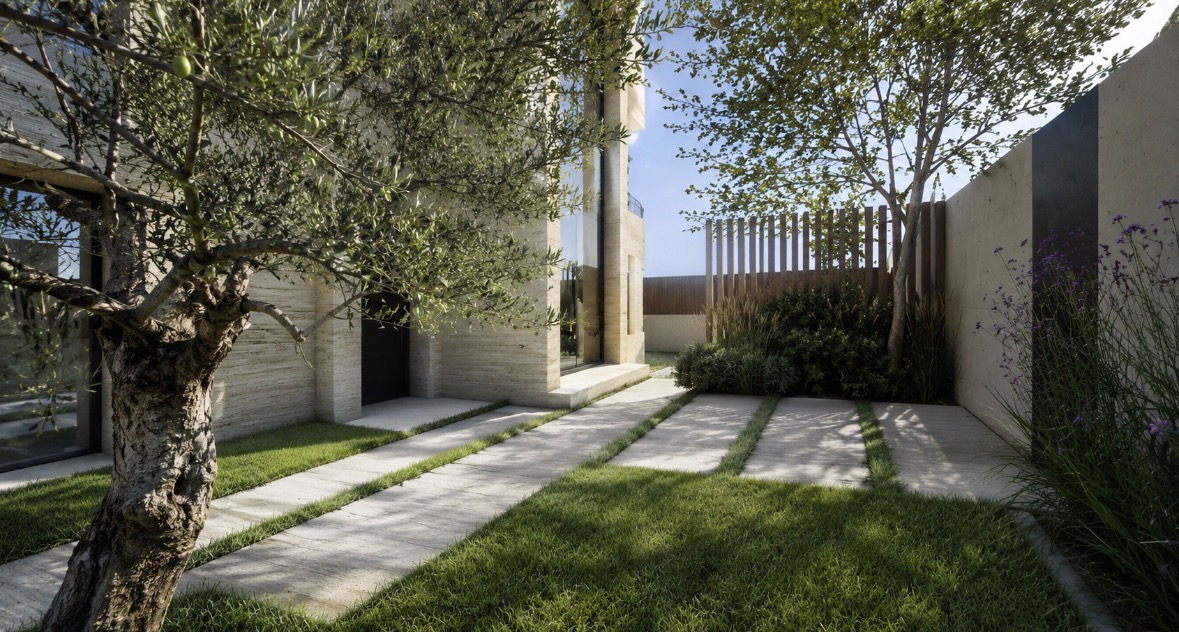
Start with how you want to live outside
In South Florida the garden is used almost all year, so the most important brief is about life, not plants: where you have breakfast, where guests gather in the evening, how children or pets use the space and which rooms of the house open onto it.
Once those moments are mapped, the layout follows naturally — shaded dining close to the kitchen, a pool terrace with its own sun and shade, quieter corners away from the street.
How we design outdoor living spaces →Design for heat, sun and heavy rain
Shade is the most valuable element of a Miami garden. Canopy trees, pergolas and planted edges lower the temperature of paving and make terraces usable at midday.
Summer storms bring large volumes of water in short bursts. Levels, permeable surfaces and planting areas should be designed so water drains away from the house and the pool deck without eroding beds.
Plan for storm season and salt air
The Atlantic hurricane season runs from June through November. Tree species, planting distances from the house and the way structures such as pergolas are specified all deserve attention from the start.
On waterfront properties in Miami Beach, Key Biscayne or along Biscayne Bay, salt spray narrows the planting palette and the choice of materials; front-line planting has to tolerate wind and salt so the rest of the garden can be softer behind it.
Choose a planting character, not just a plant list
Some clients want a lush, layered tropical garden; others prefer the calm structure of a Mediterranean-inspired landscape. Both can work in Miami when the palette is adapted to a subtropical climate.
We define the character first — dense or open, sculptural or soft, green or silver — and then choose species that deliver it in local conditions.
Our approach to residential garden design →Check local rules early
Miami-Dade County and individual municipalities such as Coral Gables have their own rules on tree removal, landscaping and permits. Protected trees, setbacks and HOA guidelines can change a design, so they should be reviewed at concept stage.
We work alongside local architects, contractors and licensed specialists who handle permits, installation and site-specific engineering as each project requires.
Think about the garden in five years
A garden designed only for opening day rarely ages well. Growth rates, maintenance level and irrigation should match how the property will actually be cared for, so the landscape matures instead of being replaced.
Tell us about your property →